Deck Repair 101: How to Restore Your Deck's Beauty and Functionality
Deck Repair 101 provides essential insights into keeping a deck both safe and visually attractive. Homeowners often overlook typical problems such as wood rot and mold growth, that can escalate into larger complications. Knowing how to evaluate damage and choose appropriate materials is essential. By following a well-defined repair strategy, bringing a deck back to full functionality is attainable. The following steps will uncover actionable techniques for maintaining outdoor spaces that stay attractive and resilient over time.
Identify Common Deck Problems to Solve
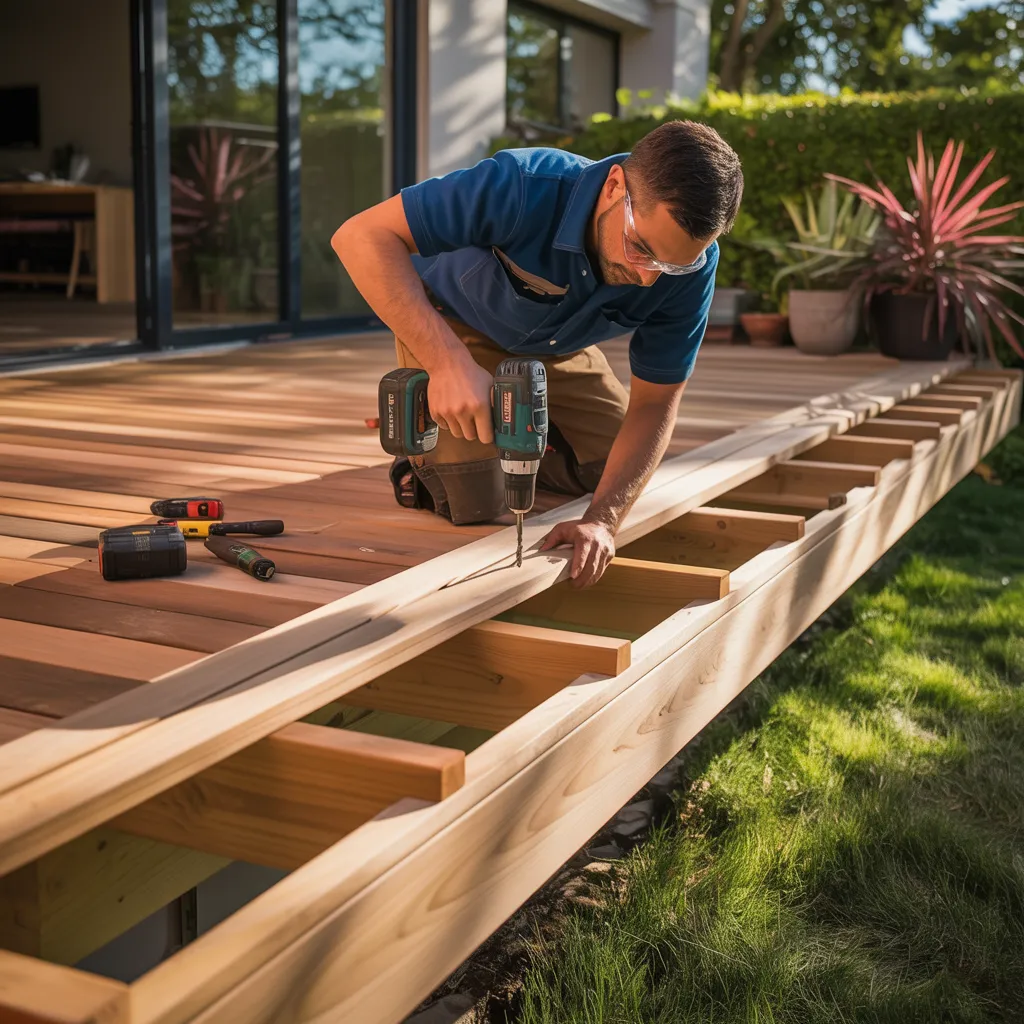
As homeowners begin to identify issues with their decks, identifying common problems becomes essential for effective repairs. A common problem is wood rot, typically resulting from moisture buildup, which may undermine the overall structural stability. Additionally, splintering and cracking can arise from prolonged weather exposure and neglected upkeep, posing safety risks. Warped or loose boards may also create tripping hazards, making it necessary to address them quickly. Moreover, deteriorating or peeling finishes signal the need for refinishing, as they detract from the deck's aesthetic appeal. Issues with railings are also commonly encountered by homeowners, including instability or absent balusters, that can pose safety concerns. To conclude, mold and mildew tend to grow in areas prone to dampness, necessitating timely cleaning to preserve a healthy environment. Identifying these frequent issues enables homeowners to take proactive measures to protect their decks and extend their lifespan.
Evaluate Deck Damage and Develop a Repair Plan
How can homeowners effectively assess deck damage and formulate a repair plan? To begin, they should perform a comprehensive visual examination, searching for indicators of rot, warping, or deteriorating boards. Examining the deck's key structural parts, like support beams and joists, is critical because unseen damage can undermine structural integrity. Homeowners ought to further investigate fasteners like screws and nails for any rust or corrosion.
After the damage has been identified, it's important to organize the issues by level of severity. Minor cosmetic flaws may call for straightforward sanding and staining, while more serious structural issues could necessitate replacing entire boards or supports.
Creating a complete repair strategy encompasses organizing priorities, estimating the time and effort required, and establishing the essential tools and competencies. Logging discoveries aids in refining the repair process, making certain that all problem areas are resolved methodically and thoroughly.
Identify Deck Restoration Resources
Choosing the right materials for restoring a deck is essential for achieving enduring effects. This involves understanding multiple wood types, choosing compatible stains and sealants, and guaranteeing the correct tools and equipment are on hand. A careful consideration of these aspects can significantly improve the outdoor deck's longevity and visual appeal.
Guide to Wood Types
Selecting the appropriate wood species is vital for effective deck restoration. A range of wood options present distinct aesthetics, durability levels, and maintenance demands. Pressure-treated wood is a widely favored option because of its ability to resist decay and insects, making it suitable for budget-conscious homeowners. Cedar and redwood provide natural beauty and resistance to warping but demand routine care to keep their appearance intact. Exotic tropical hardwoods, including ipe and teak, provide remarkable durability and weather resilience, even though they carry a premium price tag. Composite materials, combining wood fibers and plastic, offer low maintenance and longevity but might not replicate the authentic appearance of natural wood. Each option has its unique benefits and considerations, influencing the overall success of a deck restoration project.
Stains and Sealants
Various sealants and stains are vital for preserving the integrity and appearance of a deck. Such products shield wood against moisture, UV rays, and mold, thereby extending its lifespan. Sealants form a protective barrier against water, guarding against rot and breakdown. Stains, meanwhile, enhance the wood's natural beauty while providing color options that complement outdoor spaces. Available in transparent, semi-transparent, or solid finishes, giving homeowners the flexibility to determine how much wood grain shows through. Selecting the right product depends on factors such as wood type, climate, and personal preference. Regular application of sealants and stains is important for sustaining the deck's appearance and functional integrity across the years.
Tools and Equipment
Gathering the right tools and equipment is essential for proper deck restoration. Homeowners should start with a pressure washer to clean the deck's area, clearing away dirt and mildew efficiently. A sturdy sander, optimally an disc one, is important for refining rough areas and readying the wood for treatment. Furthermore, a collection of paintbrushes and rollers will help with distributing sealants and stains uniformly. Necessary safety gear, such as gloves and goggles, guarantees safety during the restoration process. Further practical tools include a pry bar for taking out deteriorated boards, a nail driver for fixing unsecured nails, and a measuring tool for exact cuts. Finally, a quality wood filler can help repair small flaws, improving the deck's overall durability and aesthetic appeal.
A Complete Step-by-Step Guide to Deck Board Repairs
Restoring deck boards might appear challenging, but a methodical strategy makes the process much easier. Start by checking each board for signs of damage such as cracks, warping, or rot. This initial evaluation helps determine whether to repair or replace boards. Next, gather necessary tools such as a pry bar, drill, and replacement boards if needed.
To start the repair process, extract any compromised boards using the pry bar, making sure not to harm surrounding boards. In the case of minor damage, you can apply wood filler or epoxy, then sanded smooth once dry. Should you need to replace boards, ensure the replacement boards correspond to the existing material in dimensions and type. Secure the new or repaired boards with screws, confirming a firm and secure fit. Lastly, inspect for any raised nails or screws that may present a safety risk. Following this organized method ensures a safe and thorough deck board repair, boosting both the aesthetic appeal and structural function.
Revitalize Your Deck's Finish and Shield It
Revitalizing a deck's surface coating not only boosts its visual appeal but also is essential in protecting the wood from the elements. Over time, the effects of sun, rain, and temperature fluctuations can degrade the deck's surface, leading to splintering and fading. A fresh coat of stain or sealant serves as a barrier, preventing moisture intrusion and UV damage.
Prior to applying a fresh finish, it is vital to clean the deck thoroughly to remove dirt, debris, and old finishes. This can often include scrubbing with an appropriate cleaner and power washing. After it has dried, a premium stain or sealant should be chosen based on the desired finish, whether transparent, semi-transparent, or solid. Using a brush or roller to apply the product evenly ensures thorough coverage. Ensuring proper drying time is important for attaining optimal protection and durability, keeping the deck well-protected for the long term.
Ways to Maintain Your Restored Deck for Long-Lasting Results
To guarantee a restored deck remains in prime get started condition, consistent upkeep is key. Setting up a regular cleaning routine, carrying out regular damage assessments, and adding a durable protective coating can greatly extend its lifespan. By committing to these steps, property owners can maintain the aesthetic appeal and usability of their exterior living space.
Consistent Cleaning Schedule
How often should a restored deck be cleaned to guarantee its longevity? A consistent cleaning routine is crucial for maintaining the deck's look and performance. Typically, a deck should be cleaned every three to six months, according to the weather conditions and surrounding area. In areas with heavy rainfall or shade, more frequent cleanings may be necessary to prevent mold and mildew growth.
Using a gentle soap solution and a soft-bristle brush helps remove dirt and debris without damaging the surface. Moreover, homeowners ought to concentrate on eliminating leaves and other natural debris, which have a tendency to hold moisture. By adhering to this cleaning routine, the deck will remain in prime condition, ensuring its durability and aesthetic appeal for years to come.
Examine for Damage
Consistently checking a renovated deck for wear and tear is essential to maintaining its longevity. Property owners should conduct detailed checks at least two times annually, ideally in the spring and autumn seasons. During these inspections, they should look for signs of damage, such as splintered wood, unfastened boards, or corroded hardware. Additionally, looking for mold or mildew growth is vital, as these can undermine the deck's structural soundness. Give special attention to areas where water may accumulate, as standing water can lead to serious structural problems. It is also important to assess railings and stairs for stability. Addressing minor issues promptly can prevent costly repairs, keeping the deck as a safe and enjoyable space for many years ahead. Consistent attention is key to maintaining its aesthetic appeal and usability.
Add Protective Sealant
Applying a protective sealant is vital for extending a restored deck's lifespan and aesthetic quality. Once repairs are finished, a premium sealant application protects the wood against moisture, UV damage, and possible mold development. The application process typically begins with a clean, dry surface, ensuring that dirt and debris do not interfere with adhesion. With a brush or roller, uniform coats must be applied, permitting adequate drying time between each layer. Ongoing maintenance, encompassing reapplication every one to three years, is crucial to sustaining the deck's protective barrier. This preventative method not only boosts the deck's natural appeal but also considerably lengthens its lifespan, ensuring that it continues to be a safe and attractive outdoor retreat for years to come.
Frequently Asked Questions
How Often Should I Inspect My Deck for Damage?
Evaluating a deck for wear and damage should be done no fewer than two times each year, with spring and fall being the optimal times. Periodic assessments assist in detecting deterioration, moisture damage, or pest infestations, guaranteeing the deck stays safe and fully functional.
Can I Repair My Deck in Rainy Weather?
Conducting deck repairs in wet weather is generally ill-advised. Moist conditions can hinder the effectiveness of adhesives and sealants, leading to poor results. Waiting for dry conditions is the ideal approach to achieving a quality repair.
What Is the Ideal Time of Year for Deck Restoration?
The ideal time for deck restoration typically occurs in spring or early fall. During these seasons, temperatures are moderate, humidity is controlled, and the risk of rain is minimal, providing perfect conditions for thorough repairs and treatments.
Are There Eco-Friendly Materials for Deck Repair?
Indeed, numerous environmentally friendly materials exist for deck repair, including recycled plastic, bamboo, and sustainably sourced wood. These options not only reduce environmental impact but also enhance durability, offering a sustainable solution for deck restoration.
How Much Should You Expect to Pay for Professional Deck Repair?
The cost of professional deck repair typically range from $500 to $2,500, based on variables including size, materials, and extent of damage. It is advisable for homeowners to gather several estimates for accurate budgeting and quality assurance.