Professional Deck Builders for Every Budget: Schedule Your Free Estimate
Finding a reliable deck builder at an affordable price can strongly affect the quality of your home improvement project. Property owners often encounter difficulties in identifying the right expert who can balance cost and craftsmanship. No-cost evaluations serve as a useful tool in this process, providing a clearer understanding of financial requirements and choices. Nevertheless, knowing what to look for in a builder is essential. Your upcoming decisions may shape the outcome of your dream deck.
Why Choosing the Right Deck Builder Matters for Your Unique Project
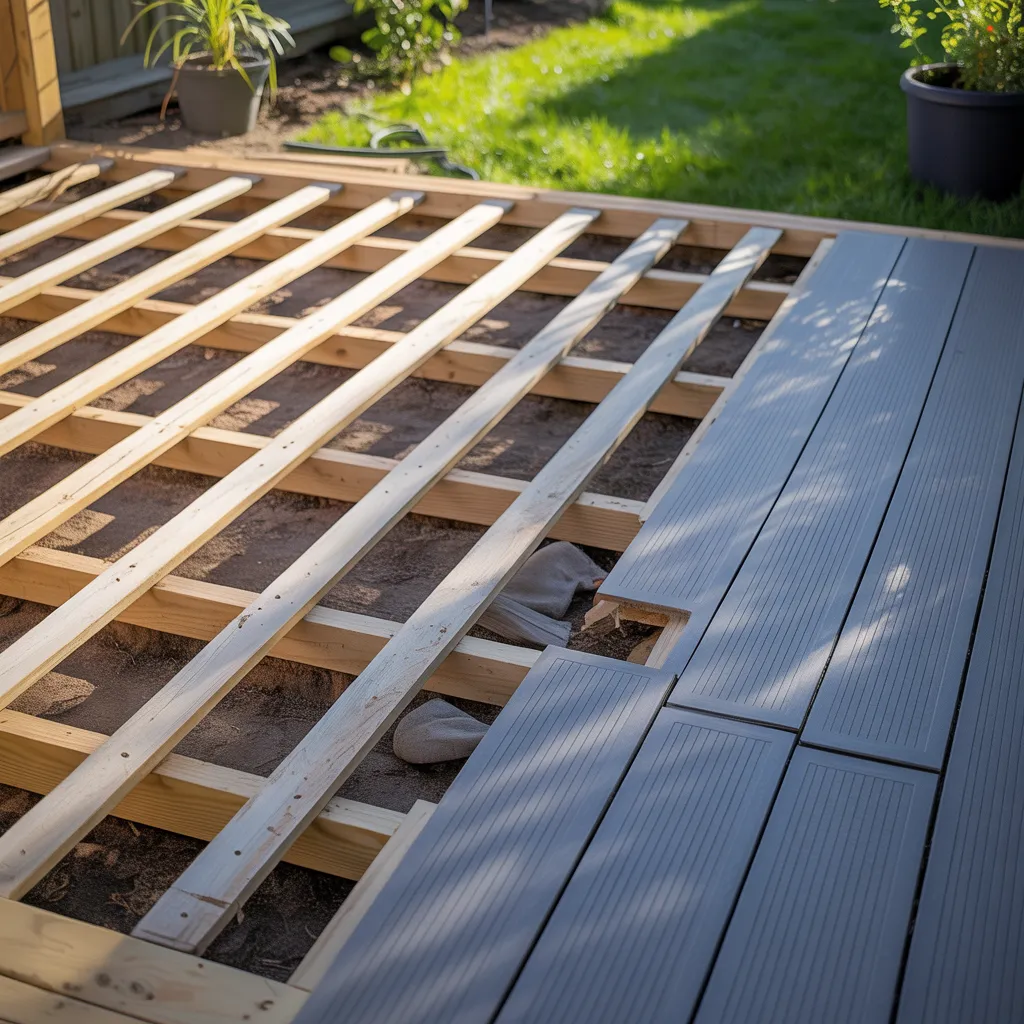
How does the decision of a deck builder affect the outcome of a building project? The best deck construction expert can considerably impact both the standard and efficiency of a building project. A qualified builder brings experience and knowledge, ensuring that the deck fulfills both aesthetic and structural requirements. They can deliver useful advice into design possibilities, construction materials, and local regulations, which helps to prevent expensive errors.
In addition, a well-established builder has developed working relationships with suppliers, which can result in better pricing and access to superior materials. This can lead to a stronger and more attractive finished product. On the other hand, choosing an inexperienced or unreliable builder may lead to project delays, cost overruns, and disappointing outcomes. Consequently, it is crucial to vet builders based on their qualifications, previous projects, and customer feedback. Picking the most suitable deck builder ultimately defines the project's quality and the homeowner's overall satisfaction.
What to Expect From Free Estimates
What should homeowners expect when seeking free consultations for their deck project? At first, they can expect a detailed consultation where contractors assess their needs and preferences. Throughout this stage, homeowners should provide details about their preferred design, materials, and dimensions. Contractors will often perform an on-site evaluation to examine the area, factoring in aspects such as landscape and access points.
Homeowners can also anticipate a transparent breakdown of costs associated with materials, additional features, and labor. Quotes generally contain various options, enabling homeowners to evaluate different price points and styles. Furthermore, a trustworthy contractor can provide estimated timeframes for completing the work, helping homeowners plan accordingly.
Ultimately, homeowners need to be ready to raise questions and address any unclear points. Such proactive communication confirms that the estimate matches their requirements, laying the foundation for a smooth and successful deck-building process.
How to Define Your Deck Budget
Determining a spending limit for a decking project can often appear intimidating for property owners. To establish a clear budget, it is critical to begin by reviewing individual financial boundaries and identifying how much can be set aside without jeopardizing other financial obligations. Homeowners should consider the size, materials, and design of the deck, as these elements considerably affect overall expenses.
Researching average prices in the local market can offer valuable insights, aiding in establishing realistic expectations. Moreover, homeowners should factor in potential extra costs, such as permits, site preparation, and landscaping.
Building a structured list of priorities can additionally help guide choices, permitting changes based on cost restrictions. Finally, it is advisable to leave a margin for unplanned financial needs, maintaining monetary flexibility throughout the project. With these steps, homebuilders can set a financial outline that corresponds with their objectives while being financially sustainable.
Key Qualities to Seek in a Deck Builder
When selecting a decking contractor, it is essential to focus on experience and expertise to secure superior craftsmanship. Additionally, confirming that the contractor possesses the required licensing and insurance safeguards both the property owner and their investment. These qualities serve as essential signs of a reliable and skilled professional in the decking profession.
Experience and Expertise
Finding a competent deck builder necessitates careful consideration of their background and skill set. An experienced builder will have a proven track record, showcasing a collection of completed projects that highlight their skill level. This expertise often translates into a deeper understanding of design, materials, and construction methods, enabling the builder to manage unexpected challenges efficiently.
Proficiency also covers familiarity with current trends and best practices in building decks, making certain that the end result is not only functional but aesthetically pleasing. Furthermore, skilled professionals are better acquainted with regional requirements and can manage the permitting process efficiently. Ultimately, choosing a deck contractor with considerable skill and knowledge can considerably elevate the craftsmanship and resilience of the final deck, giving homeowners confidence in their investment.
Licensing and Insurance Information
A trustworthy deck builder is expected to maintain the required credentials and insurance. This verifies that the builder observes regional regulations and professional standards, instilling confidence in homeowners. Proper licensing validates the builder's competence and professional integrity. Insurance, meanwhile, covers both the builder and the client when accidents or unexpected damages arise during the build. When hiring a deck builder, property owners should require documentation of these credentials. Insufficient licensing or insurance coverage might reveal underlying issues, such as low-quality construction or monetary risk. Fundamentally, engaging a fully licensed and insured professional deck builder proves necessary for an effective and concern-free construction journey.
Key Questions to Ask Potential Deck Builders
What valuable information can future homeowners obtain by posing the right questions to prospective deck builders? Engaging a deck builder involves more than simply obtaining a quote; it necessitates evaluating their knowledge and trustworthiness. Homeowners should inquire about the builder's experience and past projects, as well as request references to gauge customer satisfaction. It is crucial to define project schedules, confirming that deadlines correspond with the homeowner's anticipated timeframe. Moreover, addressing warranties covering both materials and labor can deliver confidence. Homeowners should also ask about the subcontractors involved and their qualifications. Understanding the payment structure, including deposits and final payments, is key to avoiding financial surprises. In closing, homeowners should ask about required permits for the construction, confirming conformity with local building codes. By posing these questions, homeowners can make informed decisions and select a deck builder who meets their needs effectively.
Choosing the Right Materials for Your Budget
When choosing materials for a deck, homeowners must consider the advantages of wood versus composite options. The long-term durability of materials is a key factor in this choice, as it affects maintenance costs and lifespan. Additionally, exploring cost-effective alternatives can provide budget-friendly solutions without compromising see here quality.
Wood Versus Composite Materials
When weighing wood and composite decking materials for constructing a deck, homeowners must consider both aesthetic appeal and budget limitations. Wood provides a timeless, natural appearance and is often more budget-friendly initially. Yet, it demands consistent maintenance, including staining and sealing, which can add to long-term costs. On the other hand, composite materials, made from a blend of wood fibers and plastic, offer a low-maintenance option with numerous color and finish options. Although composites typically require a larger upfront investment, they hold up against fading and warping, drawing in those who prioritize long-term performance. Ultimately, the choice copyrights on personal tastes, maintenance commitment, and long-term financial considerations, so homeowners must carefully evaluate these considerations before reaching a conclusion.
Extended Durability Factors to Consider
Durability plays an essential role in determining the best materials for building a deck, most notably for homeowners who are mindful of their expenses. When weighing the possibilities, wood and composite options come with their own set of strengths and weaknesses. Organic wood, despite its attractive appearance, necessitates routine maintenance to avoid decay, warping, and insect deterioration. On the other hand, composite materials deliver extended lifespan, withstanding discoloration and degradation with minimal care. Homeowners ought to consider their local environmental conditions, as humidity and sunlight exposure can impact how long materials last. Additionally, understanding the intended use of the deck is vital; areas with frequent foot traffic may call for more durable solutions. In the end, the ideal selection weighs upfront cost against lasting value, ensuring that the deck remains functional and visually appealing for years to come.
Affordable Options Available
Choosing the best choices for building a deck can considerably influence both visual appeal and budget. Property owners looking for budget-friendly solutions often explore pressure-treated wood, which provides durability at a more affordable price compared to premium hardwoods. Composite decking also offer a viable option, blending recycled plastics and wood fibers for a more durable solution that requires minimal upkeep. For homeowners on limited finances, treated plywood can function as an affordable choice, though it may not endure the weather as well. Additionally, vinyl decking is becoming more popular for its cost-effectiveness and resistance to rot and fading. By considering these choices, homeowners can create a stunning and practical deck without exceeding their financial limits, providing a smart investment for the long term.
Tips for Evaluating Deck Builder Proposals
What steps can homeowners take to properly assess deck builder proposals and ensure they select the right option? First, they should compare multiple estimates, looking for variations in pricing, materials, and timelines. A thorough itemization of expenses makes it easier to understand what is covered and enables more meaningful comparisons. Additionally, evaluating the builder's background and standing in the industry is critical; consulting references and reading online reviews offers valuable information about their dependability and quality of work.
Homeowners ought to also ensure that proposals contain essential permits and warranties, as these elements can significantly affect lasting satisfaction. It is wise to pose questions about the building process and material choices, guaranteeing compatibility with the homeowner's vision and budget. Additionally, straightforward communication is critical; proposals should be straightforward and free of jargon, indicating the builder's commitment to transparency. By following these steps, homeowners can arrive at a knowledgeable choice when choosing a deck builder suited to their requirements.
How to Prepare for Your Deck Installation Day
The day of deck installation can be both exciting and overwhelming for many homeowners. Thorough preparation can ease stress and help guarantee a smooth experience. As a first step, homeowners should remove any furniture, plants, or obstacles from the installation area to provide easy access for the builders. Doing so not only streamlines the work but also safeguards any existing landscaping.
Additionally, homeowners should discuss their specific preferences and concerns to the deck builders, ensuring all parties are aligned. It proves advantageous to maintain a specific space for equipment and supplies, which helps maintain organization throughout the project.
In addition, homeowners should prepare for potential noise and activity by informing neighbors in advance. Last but not least, putting a plan in place for pets and children while installation is underway is key to safety and minimizing disruptions. By taking these steps, homeowners can create a conducive environment for the deck builders, making the experience enjoyable and efficient.

Questions We Often Receive
What Kind of Decks Are Available to Choose From?
Homeowners can choose from a variety of deck types, including wood, composite, aluminum, and PVC. Each material offers unique benefits, such as durability, maintenance requirements, aesthetics, and cost, allowing for personalized outdoor spaces tailored to individual preferences.
How Much Time Does a Standard Deck Installation Require?
A typical deck build generally takes between one and two weeks, subject to the size and complexity of the project. Climatic conditions and material availability can also affect the overall timeline for completion.
Are Building Permits Required for Deck Construction?
Yes, building permits are usually necessary for deck construction. Local building authorities commonly require homeowners to acquire permits to ensure compliance with building codes, safety standards, and zoning regulations, promoting neighborhood aesthetics and structural integrity.
What Warranties Do Deck Builders Usually Offer?
Deck builders typically offer warranties that address materials, workmanship, and structural integrity, usually spanning one to ten years. Such warranties offer protection against defects and deliver homeowners reassurance about their investment.
Is It Possible to Customize My Deck Design?
Certainly, deck designs can often be customized to accommodate specific requirements. Many contractors cooperate directly with clients to integrate custom layouts, materials, and features, guaranteeing the final product corresponds to the property owner's expectations and requirements.